The Indonesian Prostate Nutrition Protocol
Evidence-based analysis of lycopene, zinc, omega-3, sulforaphane, and EGCG from affordable Indonesian dietary sources.
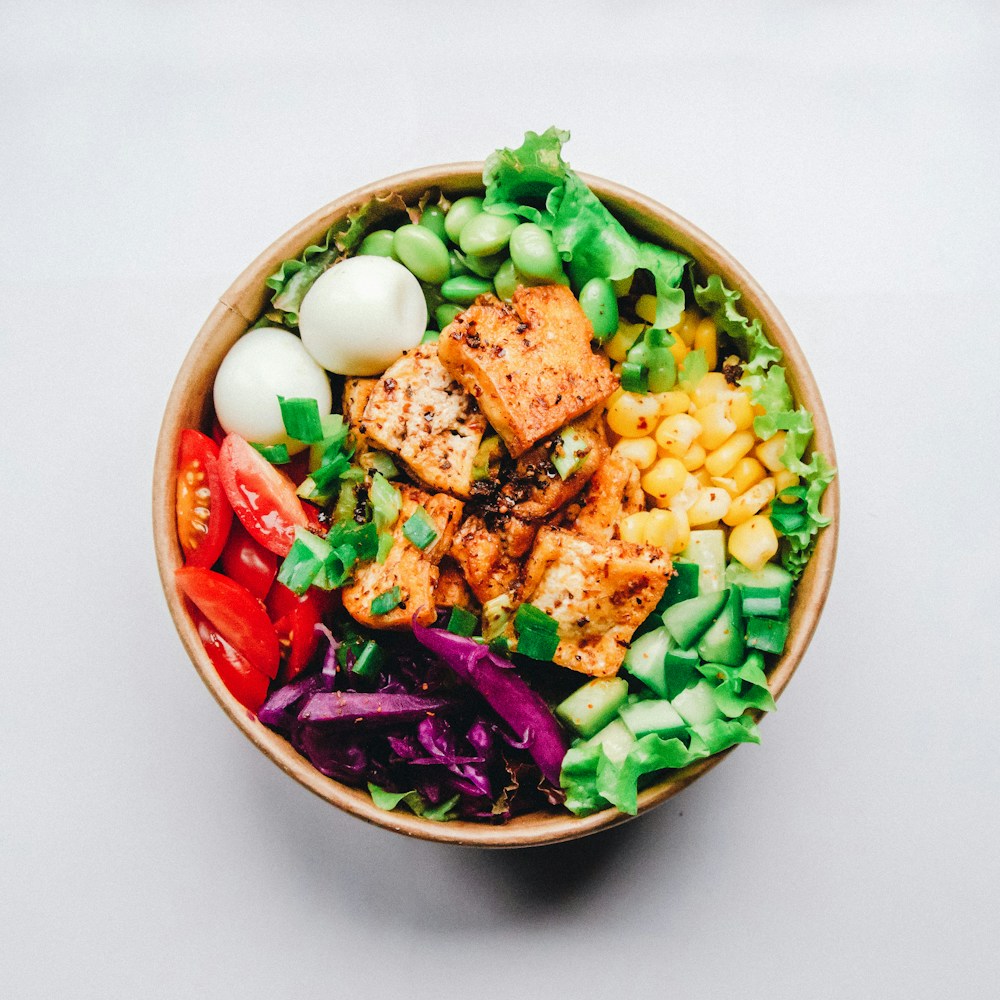
Nutritional Biochemistry of the Prostate Gland
Prostatic tissue maintains unique cellular biochemical requirements. It accumulates higher concentrations of specific micronutrients — notably zinc and lycopene — than virtually any other organ in the human body.
5 Critical Nutrients & Indonesian Food Sources
1. Lycopene (Tomat Masak, Pepaya Merah)
Lycopene is a potent lipophilic antioxidant. Thermal processing (cooking) converts all-trans-lycopene to cis-isomers, which exhibit 2 to 3 times greater intestinal bioavailability. Consuming cooked tomato dishes (sambal tomat, sup tomat) with modest dietary lipids enhances micellar incorporation and cellular absorption.
2. Zinc (Biji Labu Kuning, Tempe)
Prostate epithelial cells require intracellular zinc to inhibit m-aconitase, maintaining citrate production essential for prostatic fluid composition. 30 grams of pumpkin seeds (biji labu) supplies roughly 40% of the recommended daily intake.
3. Omega-3 Fatty Acids (Ikan Kembung, Makarel, Sardin)
Eicosapentaenoic acid (EPA) and docosahexaenoic acid (DHA) competitively inhibit arachidonic acid conversion via the cyclooxygenase-2 (COX-2) pathway, reducing pro-inflammatory prostaglandin synthesis in pelvic tissue.
Incorporate light steaming (under 4 minutes) when preparing cruciferous vegetables (brokoli, sawi) to preserve the heat-labile enzyme myrosinase, ensuring optimal sulforaphane conversion.
Nutritional guidelines are for general wellness only and do not replace individualized medical advice.