Hormone Balance, Sleep & Prostate Health
How nocturnal testosterone synthesis, circadian rhythm regularity, and cortisol management support prostate wellness.
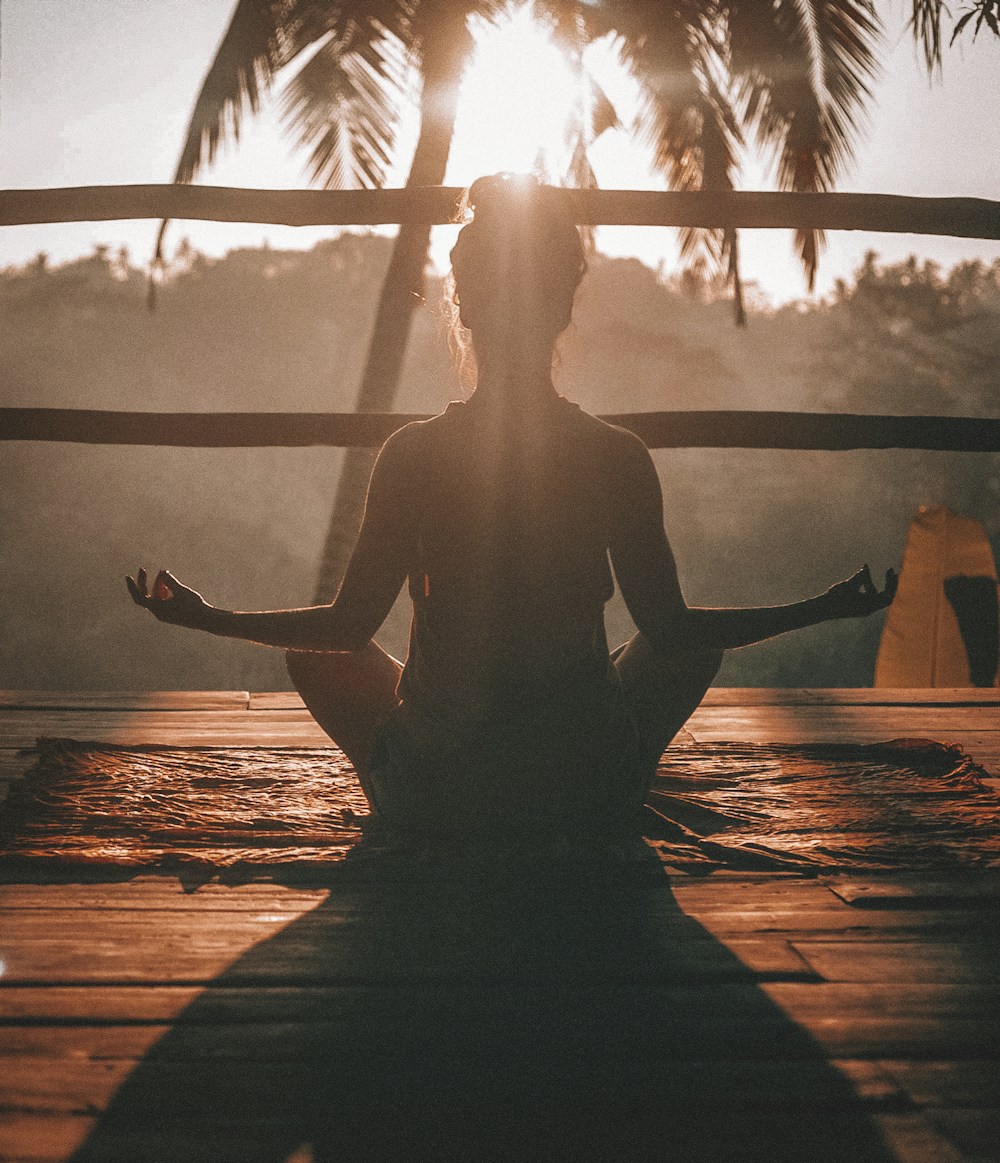
The Circadian Testosterone Rhythm
In healthy adult males, serum testosterone follows a distinct diurnal pattern, peaking in the early morning hours following sustained slow-wave sleep. Disruptions to sleep architecture — whether through total sleep restriction or circadian misalignment — significantly blunt this morning surge.
Chronic psychological or physiological stress elevates systemic cortisol levels. Elevated glucocorticoids stimulate the sympathetic nervous system, precipitating sustained involuntary contraction of the levator ani and pubococcygeus muscles — directly exacerbating CPPS symptoms.
Optimizing Sleep Hygiene in Urban Indonesian Environments
- Thermal regulation: Maintain bedroom ambient temperature between 23°C and 25°C to facilitate natural core body temperature drop required for deep sleep.
- Hydration timing: Cease significant fluid consumption 120 minutes prior to anticipated sleep onset to minimize nocturnal waking episodes (nocturia).
- Photoperiod control: Restrict blue-spectrum light exposure (smartphones, computer displays) for at least 60 minutes prior to bedtime.
This information is intended for general wellness and educational purposes only. Always consult a healthcare professional for hormonal or sleep evaluation.